
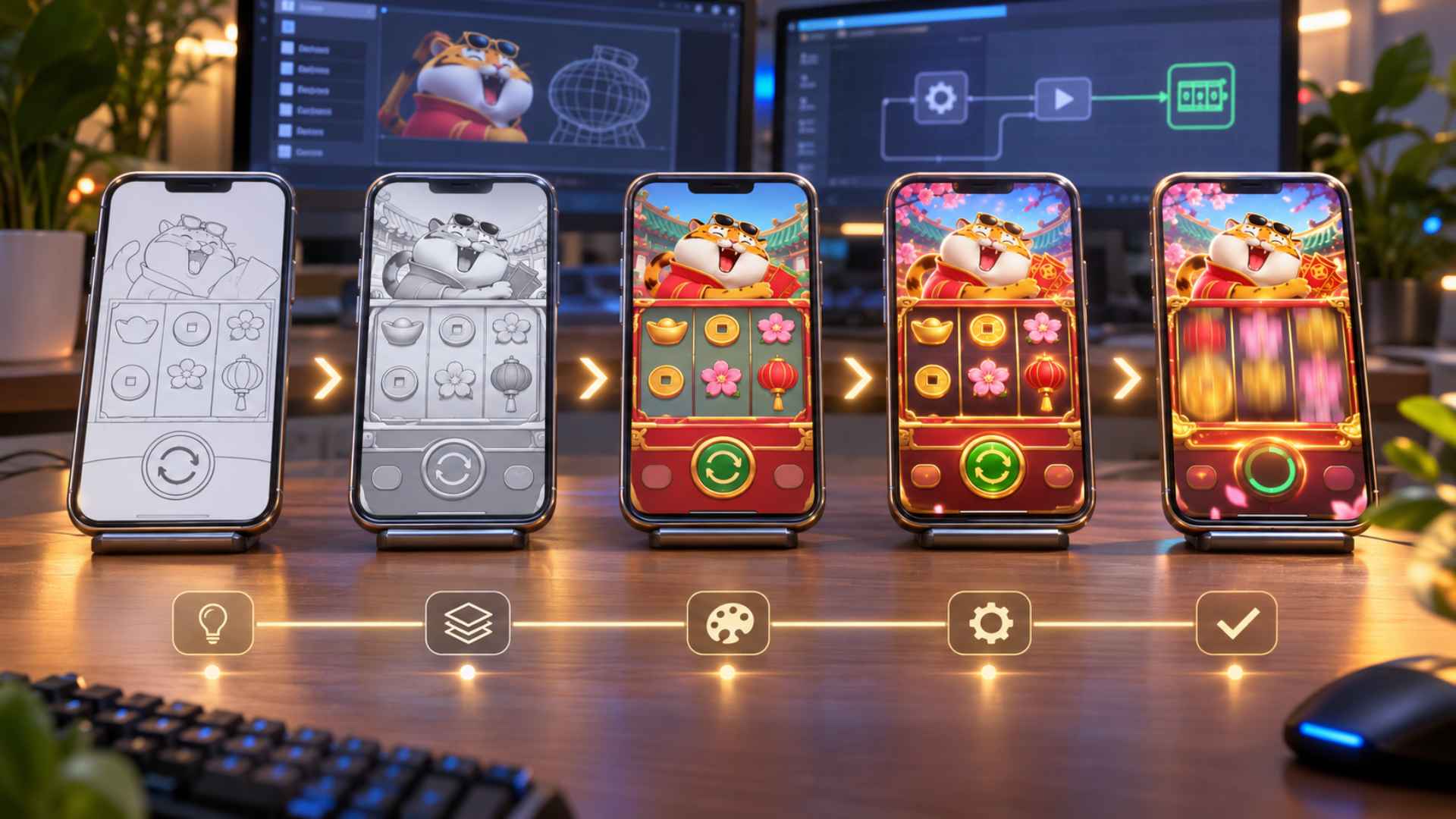
Before a player sees moving reels, a slot title passes through dozens of practical decisions. Producers define the audience, developers assess technical limits, and designers decide which reel positions appear on screen. The first brief also explains game rules in language that programmers and testers can interpret consistently. Without that shared starting point, even attractive artwork can become expensive to revise once the mathematics and interface have already taken shape.
Early planning for a slot product is less glamorous than the finished screen suggests. Teams debate screen sizes, session pacing, and what makes a release fun to play without confusing the user. Marketing may propose phrases such as easy to win, but developers cannot treat those words as a mathematical specification. Return calculations and published probabilities need proper review, while the creative brief stays focused on the intended experience. That distinction protects both product integrity and future licensing reviews.
Prototypes usually begin with plain symbols and temporary sounds rather than polished assets. Designers map possible outcomes, mathematicians build probability tables, and engineers establish a repeatable way to test them. Localized search terms, including สล็อตเว็บตรง, may appear in a research document, although they should never substitute for regional compliance research. This phase is where a team learns whether its idea fits the available budget and delivery schedule.
Where slot Production Moves From Briefs Into Working Code
Programming begins once the rules can survive detailed questions. A scatter symbol might start a bonus trigger, while free spins could use a separate award table. Developers must also define whether scatter pays apply across the whole screen or only under specified conditions. Those details belong in testable configuration files, not vague notes. Meanwhile, artists supply approved animations and sound designers provide files that will not slow weaker devices. Version control keeps these related assets aligned across frequent revisions.
Each slot build needs consistent timing between the engine, visuals, and account services. A jackpot banner, for example, must reflect the correct award state rather than merely look dramatic. Claims about big payouts and real payouts require careful wording because the game engine determines outcomes, while the platform typically handles account balances. Developers use simulated sessions to detect edge cases long before a customer can encounter them. Clear event logs let reviewers distinguish display defects from payout errors.
Quality Controls Across Developers and Casino Teams
Specialist studios often study established production standards rather than copying other products. PG Soft is one recognizable developer whose portfolio can be examined for mobile presentation choices. At this stage, teams run automated checks on spin histories, animation synchronization, and unusual interruptions. They also document failures carefully, since a reproducible defect is much easier to fix than a vague complaint that something felt wrong during play. Scheduled regression runs catch mistakes introduced by later content changes.
Pragmatic Play provides another useful reference point for the breadth of content distributed through gaming platforms. In online Gambling environments, however, visual polish is only one concern. Security teams review authentication, reporting, and secure transactions, while independent testing supports fairness claims. A slogan such as no cheating cannot replace evidence from audited logic and reliable operational controls, especially when money and user trust are involved. Detailed records also help operators investigate player disputes without guesswork.
Release Documents and Platform Handovers
The final package contains more than executable code. Teams prepare translations, interface screenshots, incident procedures, and accessibility notes. A localization sheet might include สล็อต as a regional search expression, kept separate from technical terminology. Product reviewers examine mobile friendly design and easy navigation, especially for a new member encountering the lobby for the first time. Consistent labels reduce avoidable support questions after launch. Translators receive context so short labels preserve their intended meaning.
For a slot release involving real money, payment related language must be checked against the operator’s actual capabilities. Multiple payment methods and easy deposits and withdrawals describe platform services, not features invented inside the game. Legal teams review whether advertising promises match the available markets, while support staff rehearse dispute scenarios. A responsible release process separates entertaining visuals from account claims so that customers receive clear information. Account teams should confirm every claim against documented regional settings.
Successful slot software rarely comes from a single dramatic breakthrough. It emerges from a series of documented decisions, test cycles, and calm handovers between disciplines. Promises to win real cash require special scrutiny because outcomes are uncertain and marketing must not imply guaranteed returns. Top providers generally maintain repeatable production practices so that a launch remains supportable months later, when the original developers are busy with other projects. Maintenance plans also account for changing devices and platform requirements.